
As the world continues its steady transition towards renewable energy, solar power remains a leading choice for both environmental sustainability and economic growth. Many countries, especially those with limited access to reliable electricity, are investing heavily in solar power plants to illuminate streets, power homes, and fuel industries. One of the crucial considerations for governments, businesses, and communities looking to install solar power plants is the cost. In this news article, we take a detailed look at the cost of a 1MW solar power plant, its components, and the benefits it brings to areas lacking sufficient electricity infrastructure.
### Overview of 1MW Solar Power Plant
A 1MW (megawatt) solar power plant is a large-scale solar setup capable of generating approximately 1,000 kilowatts of electricity under ideal conditions. To put it in perspective, a 1MW solar power plant can provide clean energy to roughly 500–1,000 households depending on their consumption patterns. This capacity is significant enough to power small towns, commercial centers, and industrial zones, making it an attractive investment for governments and private sectors in developing countries.
### Cost Components of a 1MW Solar Power Plant
The total cost of building a 1MW solar power plant varies widely depending on multiple factors, including location, technology used, and scale of production. Generally, the major cost elements can be categorized as follows:
1. **Solar Panels:** These are the heart of the solar power plant. They convert sunlight into electricity. The price of solar panels contributes about 40–50% of the total project cost. Panel efficiency, brand, and technology play critical roles in determining prices.
2. **Inverters:** Inverters convert the direct current (DC) produced by solar panels into alternating current (AC), suitable for the grid. Their quality and capacity influence the cost significantly.
3. **Mounting Structures:** These systems support solar panels and angle them optimally to maximize sun exposure. Higher durability and advanced tracking systems increase upfront costs but improve efficiency.
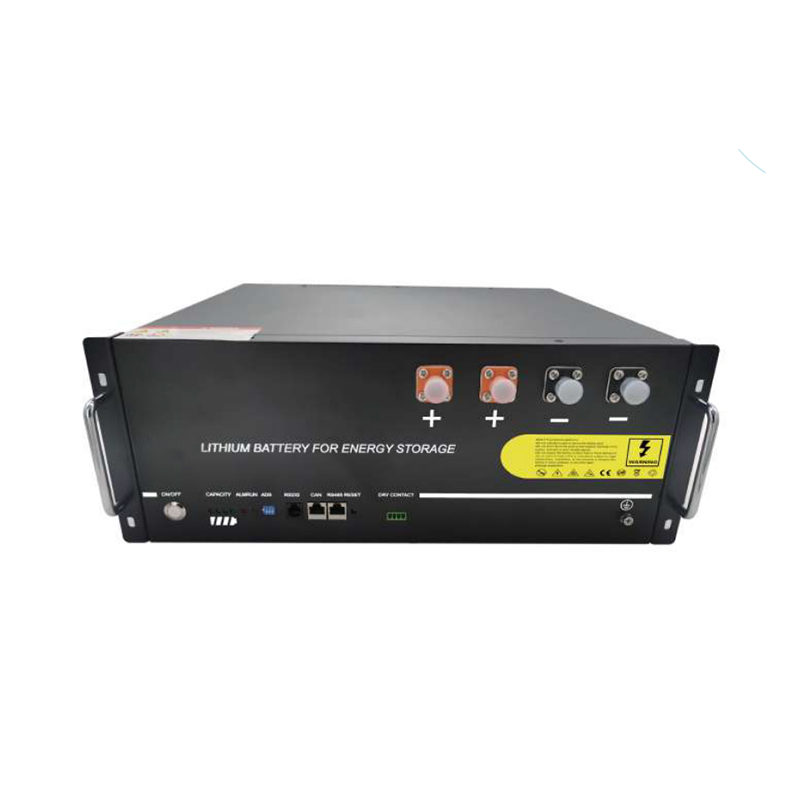
4. **Energy Storage System:** Batteries such as lithium-ion or gelled batteries store excess energy for use after sunset or during cloudy conditions. Though optional, energy storage adds to the cost but greatly enhances reliability.
5. **Balance of System (BOS):** This category includes wiring, connectors, switches, transformers, and protection devices necessary for safe and efficient operation.
6. **Installation and Labor:** Skilled labor for site preparation, mounting, and commissioning also forms a notable part of the budget.
7. **Project Development and Permits:** Costs for land acquisition, regulatory permits, environmental studies, and project management must also be considered.
### Estimated Cost Range
On average, the cost of a 1MW solar power plant ranges between **$700,000 and $1,200,000** globally. Developing countries with favourable sunlight conditions and lower labor costs may experience the lower end of this range. Conversely, places requiring advanced storage solutions or stringent regulations might see higher prices.
It is important to note that ongoing market innovations and scaling production have contributed to a consistent decline in solar power prices over the past decade, making solar energy one of the most competitive energy sources available today.
### The Role of Professional Manufacturers and Exporters
A major factor that influences cost efficiency and quality in solar power projects is partnering with experienced manufacturers and exporters of solar power systems.
One professional company stands out in this sector. Starting its journey in street lighting poles and successfully penetrating the market of solar street lighting, this company has expanded its product portfolio to include advanced solar power systems, energy storage systems, solar panels, lithium batteries, gelled batteries, and inverters.
Such companies leverage their in-depth industry know-how to deliver turnkey solar solutions that are tailored to specific customer requirements, locations, and budgets. Their expertise in managing complex logistics, quality assurance, and after-sales support ensures that solar power plants are installed efficiently and maintain consistent performance over their lifecycle.
### Solar Power: A Solution for Countries Facing Electricity Shortages
Many developing regions suffer from unreliable electricity supply, with roads and public spaces plunged into darkness after sunset. This situation not only affects safety but also limits economic activities and quality of life.
Solar power plants, especially when integrated with energy storage systems, offer a reliable, off-grid alternative to conventional fossil fuel-based power generation. They can be rapidly deployed and scaled according to demand, reducing dependency on expensive and polluting diesel generators.
Communities benefit in several ways:
- **Enhanced Safety:** Well-lit streets reduce crime and traffic accidents.
- **Economic Opportunities:** Reliable power encourages business operations, education, and health services.
- **Environmental Protection:** Solar energy reduces carbon emissions and air pollution.
- **Energy Independence:** Locally generated power reduces reliance on imported fuels.
### Technological Advancements and Future Trends
The solar industry is continuously evolving, with emerging technologies enhancing efficiency and reducing costs. These advancements include:
- **Higher Efficiency Panels:** New materials and designs yield more power from the same surface area.
- **Smart Inverters and Energy Management:** Digital tools optimize power flow and monitor system health remotely.
- **Affordable Energy Storage:** Lithium-ion and next-generation battery technologies allow more effective storage.
- **Hybrid Solar Solutions:** Integration of solar with wind or conventional generation for stable supply.
### Conclusion
Investing in a 1MW solar power plant offers a promising solution to address electricity shortages in many parts of the world. Though initial costs may be significant, the long-term benefits of reduced energy bills, environmental sustainability, and social empowerment are profound. Partnering with seasoned manufacturers and exporters ensures that projects meet quality standards and deliver reliable performance.
As more countries prioritize clean energy, the cost of solar power plants will continue to decrease, enabling wider accessibility and pushing the world closer to a greener, brighter future. For regions still grappling with dark roads and power scarcity, solar power is not just an option—it is a vital lifeline.