
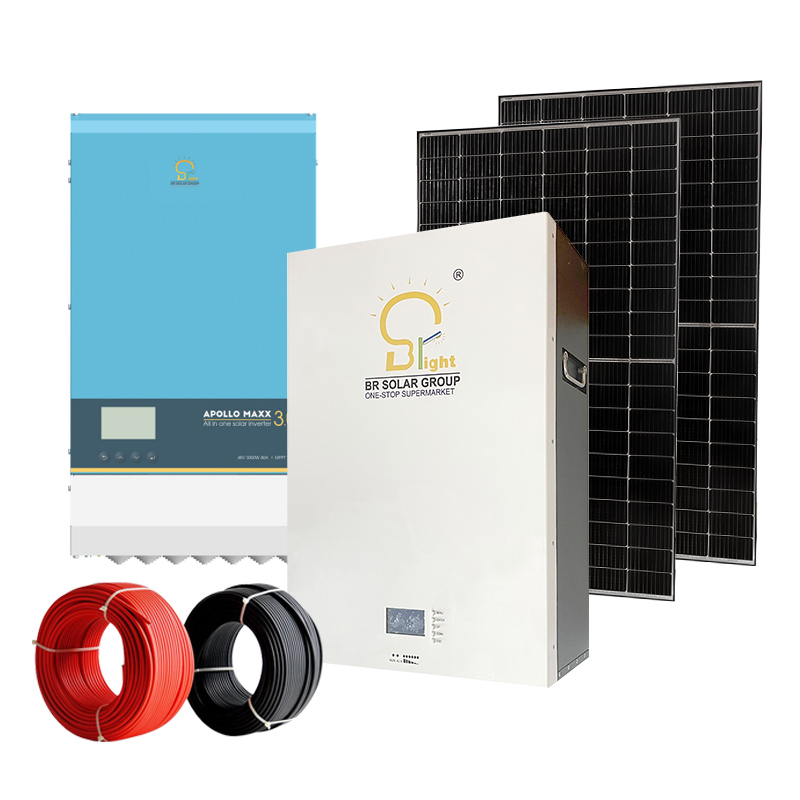
In recent years, the cost of lithium-ion batteries has seen a significant decline, marking a transformative shift in the renewable energy and energy storage industries. This downward trend not only accelerates the adoption of solar power systems but also enables wider accessibility to reliable, sustainable electricity in regions struggling with energy shortages. As countries worldwide pursue cleaner energy alternatives and seek to enhance power infrastructure, the reduction in lithium-ion battery prices presents a pivotal opportunity for growth and innovation.
**The Falling Cost of Lithium-Ion Batteries**
Lithium-ion batteries, the backbone of modern portable energy storage, have long been considered a relatively expensive component in renewable energy systems. Over the past decade, however, advancements in battery technology, economies of scale, and streamlined manufacturing processes have contributed to a dramatic decrease in production costs. Industry analysts report that lithium-ion battery prices have dropped by nearly 90% since 2010, reaching levels that were previously thought unachievable.
This price fall is fueled by several factors: increased investment in research and development, expanded production capacities, and improvements in battery chemistry and design. Lower raw material costs, particularly for lithium and other essential components, have also played a role, although supply chain volatility remains a concern in certain markets.
**Implications for Solar Power and Energy Storage Systems**
The declining cost of lithium-ion batteries has significant implications for solar power systems and energy storage solutions. Solar panels, while capable of generating electricity during daylight hours, require efficient and cost-effective storage options to supply energy consistently after sunset. Affordable lithium-ion batteries provide this capability, enabling households, businesses, and communities to harness solar energy around the clock.
Increased affordability has catalyzed the deployment of residential solar plus storage setups, off-grid power systems, and large-scale solar farms integrated with battery storage. These developments not only improve energy reliability but also reduce dependence on fossil fuels, aligning with global goals to combat climate change.
**Addressing Energy Deficits in Developing Regions**
An area where affordable lithium-ion batteries can have an especially profound impact is in developing regions with widespread electricity shortages. Many countries face energy infrastructure challenges, resulting in frequent blackouts or completely unlit streets at night. This deficit limits economic development, compromises safety, and hampers quality of life.
Affordable energy storage solutions combined with solar power installations offer a viable path to electrify rural and remote areas. By storing solar energy generated during the day, lithium-ion battery systems ensure a steady power supply after dusk. This capability is particularly critical for street lighting — an essential public service that improves safety and accessibility — as well as for powering homes, schools, and healthcare facilities.
**Industry Response: A Professional Manufacturer’s Perspective**
As a professional manufacturer and exporter deeply involved in the renewable energy sector, [Company] stands at the forefront of this evolving landscape. Specializing in solar power systems, energy storage, solar panels, lithium batteries, gelled batteries, and inverters, the company has leveraged the falling costs of lithium-ion batteries to expand its product offerings and market reach.
Started initially with solar street lighting poles, [Company] quickly recognized the urgent global demand for sustainable street lighting solutions. With many countries lacking reliable electricity infrastructure, nighttime darkness on public roads presents not only an inconvenience but also a significant hazard. By combining affordable lithium-ion battery technology with high-quality solar panels and advanced inverters, [Company] provides a comprehensive, environmentally friendly solution to this problem.
The company’s experience in the solar street light market offers valuable insights into scalability and reliability. Its products are now deployed in numerous regions worldwide where they contribute to enhanced community safety, facilitate nighttime economic activities, and serve as a foundation for broader electrification efforts.
**Future Outlook and Continuous Innovation**
The trajectory of lithium-ion battery technology suggests that costs will continue to decline or stabilize at affordable levels as further advancements emerge. Innovations in battery chemistries, such as solid-state batteries and alternative materials, hold the promise of even greater energy density, longevity, and safety.
For the renewable energy sector, this means broader adoption of solar-plus-storage systems and deeper penetration into off-grid and under-electrified markets. Manufacturers like [Company] are well-positioned to capitalize on these trends by continuously improving their product quality and adapting to customer needs.
Moreover, government initiatives, international collaborations, and private investments aimed at clean energy development offer supportive frameworks that spur market growth. Together, declining lithium-ion battery costs and supportive policies herald a new era of accessible, clean energy for all.
**Conclusion**
The sharp reduction in lithium-ion battery costs is a game changer for the renewable energy industry, significantly enhancing the feasibility and attractiveness of solar power systems with integrated energy storage. Companies specializing in these technologies are expanding access to reliable, sustainable electricity, particularly in regions facing energy deficits.
By providing innovative solar street lighting and energy storage solutions, manufacturers are addressing fundamental societal needs while driving environmental progress. As technology advances and costs continue to fall, the future promises a more electrified, sustainable world powered by clean, affordable solar energy and efficient storage systems.