
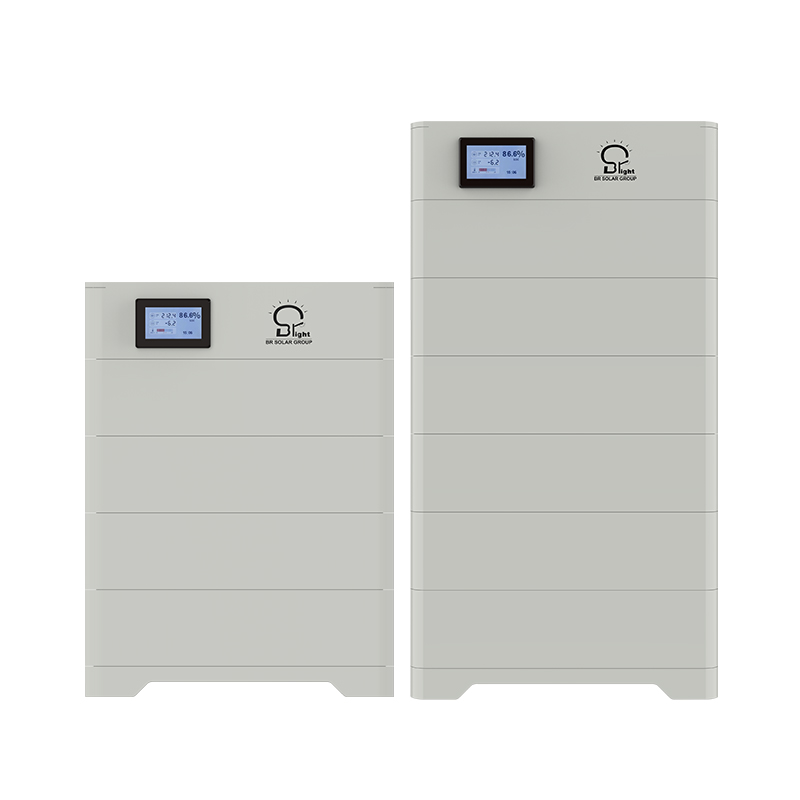
In recent years, the global push towards renewable energy and sustainable power solutions has intensified, driven by increasing environmental concerns and the urgent need for accessible electricity in underserved regions. Among the various technological advancements propelling this movement forward is Lithium Iron Phosphate (LiFePO4), a type of lithium-ion battery that offers significant advantages in terms of safety, longevity, and environmental impact. Coupled with companies specializing in solar power systems and energy storage, such as BR SOLAR, the future of clean energy infrastructure looks promising for both developed and developing nations.
### The Growing Importance of Lithium Iron Phosphate Batteries
Lithium Iron Phosphate batteries have emerged as a game-changer in energy storage technology. Unlike traditional lithium-ion batteries that use cobalt-based cathodes, LiFePO4 batteries utilize iron phosphate as their cathode material, which is more abundant, environmentally friendly, and stable. These characteristics make them particularly suitable for solar power systems and other renewable energy applications.
One of the primary benefits of LiFePO4 batteries is their excellent thermal and chemical stability, which greatly reduces the risk of overheating and combustion. This safety advantage is critical for both residential and commercial energy solutions, ensuring that installations remain reliable and hazard-free over long periods. Additionally, LiFePO4 batteries offer a longer cycle life compared to conventional lithium-ion batteries, supporting more charge and discharge cycles without significant capacity loss. This durability translates into lower long-term costs and reduced environmental impact since fewer replacements and disposals are required.
### BR SOLAR: A Pioneer in Solar and Energy Storage Systems
BR SOLAR exemplifies a forward-thinking company that embraces innovative battery technology to enhance its solar power offerings. Established as a professional manufacturer and exporter, BR SOLAR provides an extensive range of renewable energy products including solar power systems, energy storage systems, solar panels, lithium batteries, gelled batteries, and inverters. Initially starting with products like street lighting poles, the company quickly gained recognition for its solar street lighting solutions, especially in regions where energy access is limited and reliable outdoor lighting is a challenge.
The demand for solar street lighting has surged in many countries lacking stable electricity infrastructure. Dark roads at night pose significant safety risks, restrict economic activities, and limit quality of life. By leveraging solar energy combined with efficient battery storage solutions, BR SOLAR enables communities to light up their streets independently from unreliable or nonexistent grid power.
### Addressing Energy Challenges in Developing Regions
Electricity deficits are a pressing issue for numerous countries around the world, with rural and remote areas often bearing the brunt of unreliable or unavailable power supplies. Solar energy, with its inherent accessibility and sustainability, is a potent solution, but its effectiveness hinges on pairing with reliable energy storage technologies.
BR SOLAR’s integration of Lithium Iron Phosphate batteries into their energy storage systems marks a vital advancement in this arena. LiFePO4 batteries not only provide longer service life but also maintain consistent performance under varying environmental conditions—features crucial for outdoor applications in diverse climates. This robust performance ensures that solar streetlights and other off-grid systems can operate efficiently throughout the night, bridging gaps where traditional power grids cannot reach or maintain steady service.
### Environmental and Economic Benefits
Utilizing Lithium Iron Phosphate battery technology also supports global sustainability goals. The materials used in LiFePO4 batteries are less toxic and more readily recyclable compared to other lithium-ion chemistries, minimizing the environmental footprint of battery production and disposal. Furthermore, the extended lifespan reduces waste and the frequency of replacements, contributing to a circular economy model in the renewable energy sector.
Economically, the durability and reliability of LiFePO4 batteries lower maintenance costs and decrease total cost of ownership for solar installations. This affordability is critical for widespread adoption, especially in low-income regions where upfront investment can be a major barrier to implementing renewable energy projects.
### Future Outlook and Innovation
As the renewable energy sector evolves, companies like BR SOLAR continue to innovate by integrating next-generation technologies into practical, scalable, and cost-effective solutions. Ongoing research in battery management systems and materials science promises further enhancements in LiFePO4 battery performance, including faster charging, higher energy density, and improved sustainability.
Moreover, the expansion of solar-powered street lighting and energy storage solutions plays a vital role beyond electricity access: It fosters safer public spaces, boosts local economies, and supports sustainable development goals worldwide.
### Conclusion
The combination of Lithium Iron Phosphate battery technology and the visionary approach of companies such as BR SOLAR is accelerating the global transition to renewable energy. By addressing critical challenges in energy access, safety, and sustainability, these advancements are lighting the way for a cleaner, safer, and more equitable energy future.
In regions where darkness has long prevailed after sundown, solar street lights equipped with LiFePO4-powered energy storage systems are transforming lives—illuminating roads, enhancing security, and enabling communities to thrive. As this momentum continues to build, the integration of robust, eco-friendly battery technologies will remain pivotal in shaping the next chapter of global sustainable development.