
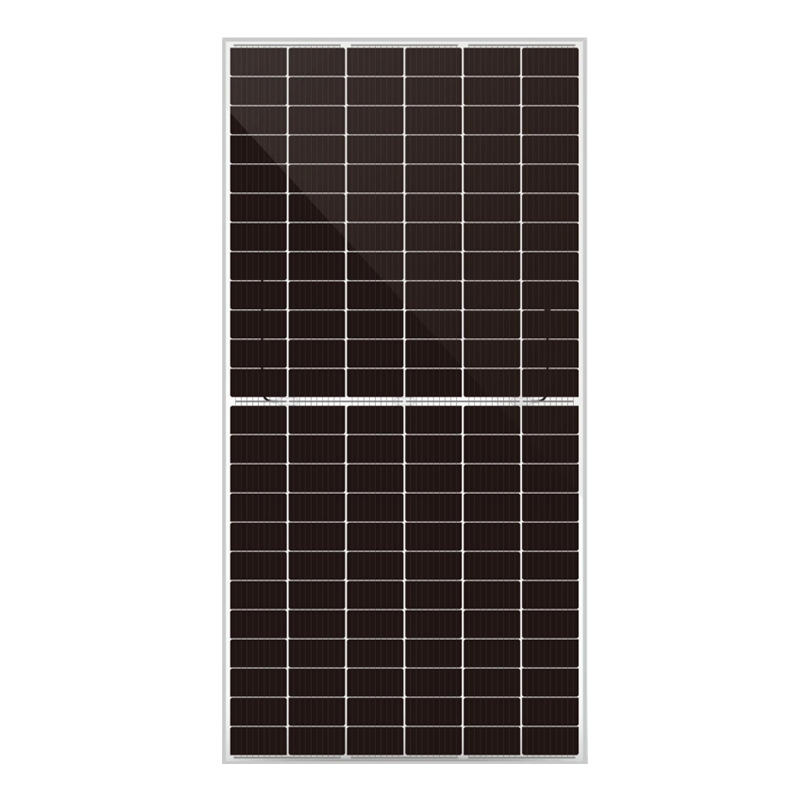
In recent years, the global push towards renewable energy has accelerated, driven by the urgent need to combat climate change and address energy access challenges in underserved regions. Among the diverse technologies enabling this transition, off-grid inverters have emerged as a critical component in ensuring reliable, efficient, and sustainable power supply, particularly in remote and off-grid areas. This article explores the growing importance of off-grid inverters in solar power systems, their role in enhancing energy access, and how industry players are innovating to meet expanding global demands.
### The Growing Need for Reliable Off-Grid Energy Solutions
Despite significant advancements in power infrastructure, millions of people worldwide still live without reliable electricity. Many rural and remote areas, especially in developing countries, lack access to grid electricity. This energy poverty severely restricts economic development, education, and quality of life. Dark roads, limited communications, and inadequate services are daily challenges in these communities.
Solar energy offers a promising solution. Solar photovoltaic (PV) systems can generate clean electricity right where it’s needed, without reliance on distant and often unreliable grid infrastructure. However, to make solar energy viable and dependable in off-grid settings, sophisticated power management technology is required — this is where off-grid inverters come into play.
### What is an Off-Grid Inverter?
An off-grid inverter is an electronic device that converts direct current (DC) electricity generated by solar panels or stored in batteries into alternating current (AC) electricity suitable for household or commercial use. Unlike grid-tied inverters, off-grid inverters operate independently of the electrical grid, managing power generation, storage, and distribution within localized systems.
These inverters are essential for off-grid solar installations because they regulate the energy flow, protect battery life, and ensure stable power output. They coordinate between solar panels, batteries, and loads, optimizing energy usage and maintaining uninterrupted power supply even when solar input fluctuates or during nighttime.
### Industry Progress: From Street Lighting to Comprehensive Solar Solutions
One company at the forefront of this technological evolution started its journey in a specialized niche: street lighting poles. Leveraging this expertise, the company expanded into the broader solar street lighting market, delivering integrated solar lighting solutions that have brightened the roads and public spaces in numerous countries. Their success lies not only in supplying hardware but in understanding the critical need for reliable, sustainable lighting in regions where nightfall traditionally brings darkness and safety concerns.
Building on this foundation, the company has grown to become a professional manufacturer and exporter specializing in a full range of solar power system components and energy storage solutions. Their product portfolio includes solar panels, lithium and gelled batteries, energy storage systems, and notably, off-grid inverters. By integrating these technologies, they offer end-to-end solar solutions designed to serve both off-grid and hybrid power needs effectively.
### The Impact of Off-Grid Inverters on Energy Accessibility
The deployment of off-grid inverters has transformed how renewable energy is harnessed in remote areas. By enabling larger, more flexible solar systems with battery storage, communities can enjoy 24/7 electricity for lighting, communication, refrigeration, and other essential services. This is particularly important in countries where electrical grids are sparse or prone to frequent outages.
For example, integrated off-grid solar systems are proving effective in rural electrification projects across Africa, Asia, and parts of Latin America. These systems empower schools to operate after dark, health clinics to store vaccines safely, and small businesses to boost productivity. Furthermore, they help reduce reliance on diesel generators, cutting carbon emissions and lowering operational costs.
### Innovation and Quality in Solar Inverter Technology
The quality and performance of off-grid inverters are pivotal for maximizing the benefits of solar power. Modern off-grid inverters incorporate advanced features such as intelligent battery management, multi-stage charging, overload protection, and user-friendly interfaces. They are designed for durability in harsh environments and compatibility with various battery chemistries, including lithium-ion and gel batteries.
Manufacturers investing in research and development have also focused on scalability, allowing modular expansion of solar systems as energy needs grow. This approach ensures that users have a future-proof power solution that can adapt to increasing demand or evolving technologies.
### Contributing to Global Sustainable Development Goals
Access to affordable, reliable, sustainable, and modern energy is a key United Nations Sustainable Development Goal (SDG 7). Off-grid solar systems equipped with high-quality inverters play a crucial role in achieving this target. They facilitate energy democratization, reduce poverty by enabling economic activities after dark, and improve health outcomes by powering clean cooking and refrigeration.
Moreover, these technologies support environmental sustainability. By substituting fossil-fuel-based power generation, they help reduce greenhouse gas emissions and air pollution, contributing to global climate action efforts.
### Looking Forward: The Future of Off-Grid Solar Power
The continued innovation in off-grid inverter technology and solar power integration promises to expand energy access further and enhance energy security. As costs continue to decline and efficiency improves, off-grid solar systems become an increasingly viable option for remote regions and even urban applications where grid stability is a concern.
Future trends include smarter inverters with IoT connectivity, enabling real-time monitoring and predictive maintenance. Energy management systems will become more sophisticated, integrating with other renewable sources and enabling microgrids for community empowerment.
### Conclusion
The rise of off-grid inverters marks a significant advancement in the global renewable energy landscape. Their role in managing and distributing solar energy efficiently addresses a critical gap in electricity access for underserved populations around the world. Companies evolving from niche markets, such as solar street lighting, into comprehensive solar system providers illustrate the dynamic nature of this industry and its potential to transform lives.
The combination of robust manufacturing capabilities, innovation in energy storage, and reliable off-grid inverter technology ensures that solar power can illuminate the darkest roads, empower isolated communities, and pave the way towards a cleaner, more sustainable energy future.