
As the global demand for clean and sustainable energy rises, solar power technology continues to evolve rapidly, bringing hope to many regions plagued by electricity shortages. Recent developments in solar cell voltage technology mark a significant milestone that promises to enhance the efficiency and reliability of solar power systems worldwide.
Solar cell voltage, a critical factor determining the performance of photovoltaic systems, refers to the electrical potential generated by a solar cell when exposed to sunlight. Improvements in this aspect directly impact the capacity and output of solar panels, enabling more power to be harvested from the same amount of sunlight. Such advancements are crucial, especially for off-grid applications and regions where grid electricity is scarce or unreliable.
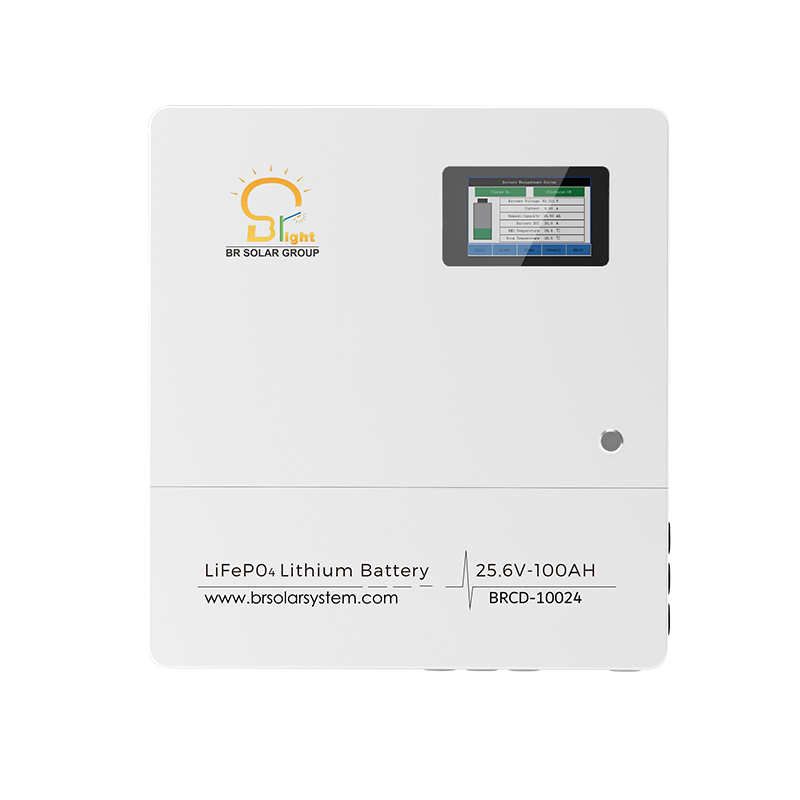
A company specializing in solar power solutions has been at the forefront of leveraging these technological improvements to meet growing global energy needs. With a comprehensive product range including solar power systems, energy storage systems, solar panels, lithium batteries, gelled batteries, and inverters, this manufacturer plays a vital role in bridging the energy gap for developing regions.
Starting its journey with street lighting poles, the company has established a strong presence in the solar street light market. These solar street lights have proven essential in many parts of the world where electricity access is limited or inconsistent. Traditional street lighting requires reliable grid power, often unavailable in rural or underdeveloped areas. By providing solar-powered alternatives, roads and public spaces become safer and more accessible during nighttime, improving quality of life and economic activities.
Understanding the challenges faced by countries lacking adequate electricity infrastructure, the company emphasizes innovation in solar cell voltage to enhance the performance of solar panels. Their research and manufacturing processes focus on maximizing voltage output, thereby increasing the overall efficiency of solar modules.
Higher solar cell voltage contributes several benefits:
1. **Increased Power Generation:** Elevated voltage enables solar panels to generate more electricity from lower sunlight conditions, making solar power viable even in areas with less intense sun exposure.
2. **Improved Energy Storage Compatibility:** Enhanced voltage levels optimize the charging of batteries, including lithium and gelled battery types, which are crucial for storing solar energy for nighttime use or overcast days.
3. **Reduced Energy Losses:** By streamlining voltage parameters, energy losses during transmission and conversion are minimized, leading to a more robust and reliable solar power system.
4. **Cost Efficiency:** Greater voltage output per solar cell potentially reduces the number of cells required per panel, lowering production costs and making solar energy more affordable for end-users.
The company’s comprehensive solar solutions integrate these advancements within energy storage systems and inverters, offering turnkey systems tailored to diverse needs. Their lithium and gelled battery technologies complement the solar panels, ensuring consistent energy supply, while inverters convert the stored DC power into AC power suitable for household or commercial use.
Beyond technological improvements, the company’s commitment extends to social impact. By targeting regions with insufficient electricity, their solar street lighting and power systems contribute to safer communities, longer productive hours, and enhanced educational opportunities for residents. This approach aligns with global sustainable development goals, particularly those focused on affordable and clean energy (SDG 7) and sustainable cities and communities (SDG 11).
The expanding market for solar energy also supports local economies by creating jobs in manufacturing, installation, and maintenance of solar equipment. Furthermore, the environmental benefits of reducing reliance on fossil fuels reduce carbon footprints and help combat climate change.
Looking ahead, continued investment in solar cell voltage research could unlock even more efficient photovoltaic technologies, including perovskite solar cells and multi-junction panels, which promise higher voltage outputs and efficiency than traditional silicon-based cells. Integrating these innovations into existing product lines would further enhance energy access and sustainability.
In conclusion, enhancing solar cell voltage is a transformative step in advancing solar power technology. Coupled with robust energy storage systems and practical applications such as solar street lighting, these innovations offer tangible solutions to regions struggling with energy scarcity. Manufacturers dedicated to these advancements not only drive the clean energy revolution but also foster social and economic development in underserved communities worldwide.
As solar technology continues to progress, partnerships between manufacturers, governments, and international organizations will be key to scaling these solutions and ensuring that no road remains dark at night. Through innovation and commitment, solar power can illuminate the path towards a sustainable and equitable energy future.